
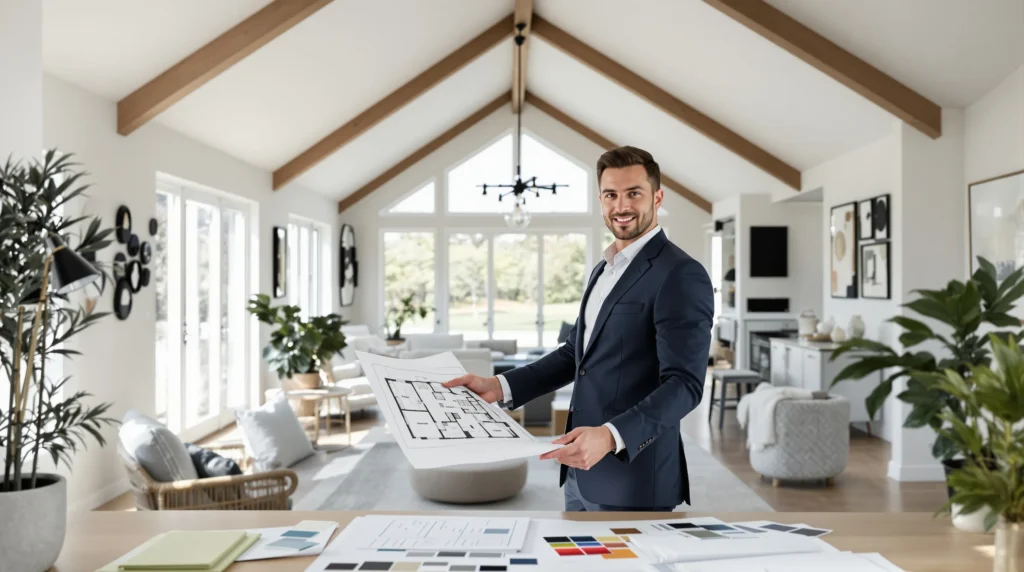
Picture this: You’re standing in your kitchen, coffee in hand, staring at the wall that separates you from the sunroom you’ve always wanted. The kids’ shoes pile up by the door, your partner’s bike leans against the fridge, and you wonder—what if you could actually breathe in your own home? That’s the moment home addition design stops being a Pinterest fantasy and becomes a real, life-changing project.
Why Home Addition Design Matters More Than You Think
Home addition design isn’t just about adding square footage. It’s about rewriting the story of your daily life. If you’ve ever tripped over a laundry basket or wished for a quiet office, you know the stakes. A well-planned home addition can mean the difference between chaos and calm, between “where do I put this?” and “I love this space.”
But here’s the part nobody tells you: A home addition can also go wrong—fast. I once watched a neighbor’s sunroom turn into a leaky, freezing mess because they skipped the design phase. They spent twice as much fixing mistakes as they would’ve spent getting it right the first time. Lesson learned: design isn’t optional. It’s the foundation.
What Makes Great Home Addition Design?
Let’s break it down. Great home addition design starts with a question: What do you need most? More bedrooms? A bigger kitchen? A mudroom that actually works? The answer shapes everything. Here’s why:
- Function first: If you add a room but never use it, you’ve wasted money. Start with your real needs.
- Flow matters: The best additions feel like they’ve always been there. Think about how you move through your home. Will the new space connect or disrupt?
- Light and air: Natural light changes everything. A window in the right spot can make a small room feel huge. Don’t skimp on windows or doors.
- Style match: Your addition should echo your home’s style, not fight it. If your house is a 1920s bungalow, a glass-and-steel box might look out of place.
Here’s a quick story: My friend Sarah added a family room with floor-to-ceiling windows. She thought it would be perfect—until the afternoon sun turned it into a sauna. Now she jokes that her plants love it more than her kids do. The fix? Smart shades and a ceiling fan. Details matter.
Common Mistakes in Home Addition Design (And How to Dodge Them)
If you’ve ever watched a home renovation show, you know things can go sideways. Here are the top mistakes people make with home addition design—and how to avoid them:
- Ignoring the budget: It’s easy to dream big, but costs add up fast. Always build in a 10-20% buffer for surprises.
- Skipping permits: Don’t assume you can add a room without checking local rules. Permits protect you from fines and future headaches.
- Forgetting the future: Will your needs change? If you’re planning kids, aging in place, or working from home, design with tomorrow in mind.
- DIY overload: Some things you can do yourself. Structural changes? Leave those to the pros.
Here’s the truth: I once tried to save money by painting my own addition. I ended up with streaky walls and a sore back. Sometimes, hiring help is the best investment.
How to Start Your Home Addition Design
Ready to get started? Here’s a step-by-step plan that works for real people with real lives:
- List your must-haves: Write down what you need. Be specific. “A bigger kitchen” becomes “space for a six-person table and a walk-in pantry.”
- Sketch your ideas: You don’t need to be an artist. Draw boxes for rooms, mark where doors and windows go. This helps you see what’s possible.
- Set your budget: Research average costs in your area. Add a buffer for surprises. Don’t forget permits, design fees, and furniture.
- Find the right team: Look for architects or designers with experience in home addition design. Ask for references and photos of past work.
- Get input from everyone: If you live with others, ask what they want. Kids might want a playroom; your partner might dream of a reading nook.
Here’s a tip: Walk through your house with a notebook. Write down every time you think, “I wish this was different.” Those moments are gold for your design plan.
Who Should (and Shouldn’t) Consider a Home Addition
Home addition design isn’t for everyone. If you love your neighborhood, need more space, and plan to stay put, it’s a smart move. But if you’re already stretched thin or plan to move soon, a big project might not pay off.
If you’re a serial renovator who loves a challenge, you’ll thrive. If the thought of dust and decisions makes you sweat, you might want to start smaller—maybe a porch or a bump-out.
Smart Strategies for Lasting Home Addition Design
Want your new space to stand the test of time? Here’s what works:
- Think about resale: Even if you never plan to move, design choices that appeal to others can boost your home’s value.
- Choose durable materials: Kids, pets, and parties happen. Pick floors and finishes that can take a beating.
- Plan for storage: Built-in shelves, mudroom cubbies, and hidden closets make life easier.
- Don’t forget the outside: A new addition changes your yard, too. Plan for landscaping, walkways, and outdoor lighting.
Here’s the part nobody tells you: The best home addition design feels invisible. It fits your life so well, you forget it wasn’t always there.
Next Steps: Bringing Your Home Addition Design to Life
If you’ve read this far, you’re serious about making your home work for you. Start with a single step—maybe a sketch, a phone call to a designer, or a walk through your house with fresh eyes. Every great home addition design starts with a moment of honesty: What do you really need? What would make you smile every day?
Home addition design isn’t just about walls and windows. It’s about creating a space that fits your life, your family, and your dreams. If you’re ready to stop wishing and start building, you’re already halfway there.