
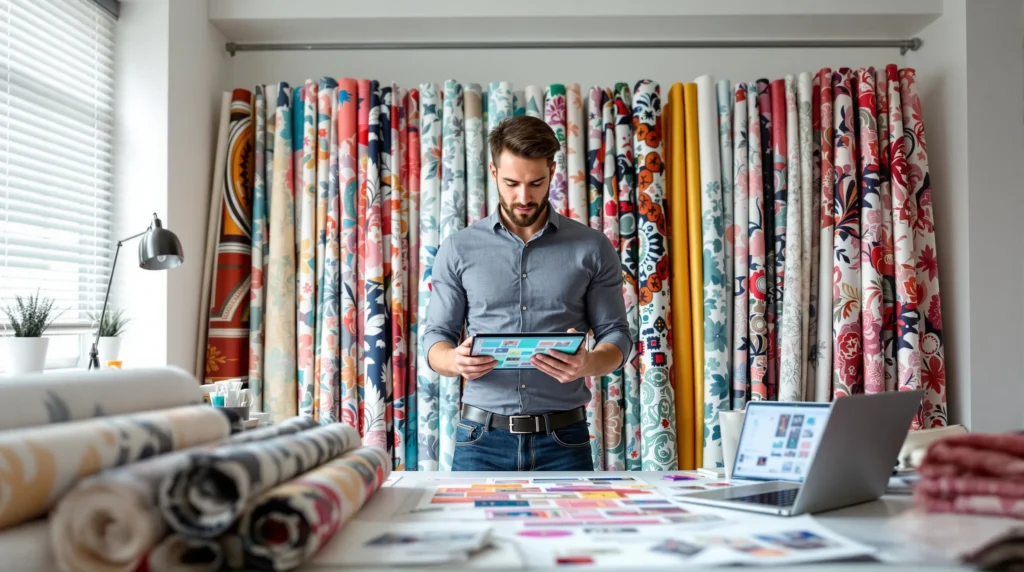
Picture this: You’re standing in a fabric store, surrounded by endless bolts of cloth. None of them feel quite right. Maybe the colors are off, or the pattern reminds you of your grandma’s curtains. If you’ve ever wished you could design your own fabric, you’re not alone. The good news? You can. And it’s easier—and more fun—than you might think.
Why Design Your Own Fabric?
Let’s be honest. Off-the-shelf fabrics rarely capture your exact vision. Maybe you want a print of your dog’s goofy face for a pillow, or a pattern that matches your wedding colors perfectly. When you design your own fabric, you control every detail. You get to decide the colors, the scale, and the story your fabric tells. That’s powerful. It’s also addictive. Once you start, you’ll see blank T-shirts, curtains, and tote bags as blank canvases.
Who Should Try This?
If you love DIY projects, crave unique style, or want to give unforgettable gifts, designing your own fabric is for you. It’s also perfect for small business owners who want to stand out. But if you hate making decisions or get overwhelmed by too many choices, you might find the process a little intense. That’s okay. There’s no shame in picking a ready-made print.
How to Design Your Own Fabric: Step-by-Step
Ready to jump in? Here’s how to design your own fabric, even if you can’t draw a straight line.
1. Find Your Inspiration
Start with something that excites you. Maybe it’s a photo from your last vacation, your child’s doodle, or a vintage wallpaper you spotted online. The best designs come from personal moments. If you’re stuck, look around your home. What colors make you happy? What patterns do you keep coming back to?
2. Choose Your Tools
You don’t need fancy software. Many people use free apps like Canva or Procreate on an iPad. If you prefer old-school, draw your design on paper and scan it. Some fabric printing companies even let you upload photos directly from your phone. The key is to create a high-resolution image—at least 150 dpi at the size you want your fabric printed.
3. Pick the Right Fabric
Here’s the part nobody tells you: The fabric you choose changes everything. Cotton works for quilts and shirts. Linen feels crisp and cool for summer clothes. Canvas is sturdy for bags. Most online fabric printers offer swatches, so you can touch and see before you commit. Don’t skip this step. A design that looks great on silk might look muddy on fleece.
4. Upload and Adjust
Once your design is ready, upload it to a fabric printing site. Spoonflower, Contrado, and Fabric on Demand are popular options. You’ll see a preview of your design on the fabric. Play with the scale. Sometimes a tiny print looks busy, while a larger repeat feels bold. Don’t be afraid to tweak colors or layout. This is your chance to get it just right.
5. Order a Test Swatch
This is the secret sauce. Always order a small swatch before buying yards of fabric. Colors can shift in printing, and textures can surprise you. I once designed a bright blue pattern that printed as a sad, washed-out gray. Lesson learned. A test swatch saves money and heartbreak.
6. Make Something Amazing
Once your fabric arrives, the real fun begins. Sew a dress, upholster a chair, or frame a piece as art. The only limit is your imagination. And if you mess up? That’s part of the story. I’ve sewn crooked seams and cut fabric upside down. Those “mistakes” make the finished piece even more personal.
Tips for Better Fabric Design
- Keep it simple: Bold, clear shapes print better than tiny, fussy details.
- Think about scale: A pattern that looks great on a pillow might overwhelm a dress.
- Use color wisely: Bright colors pop, but too many can clash. Stick to a palette of 3-5 colors for harmony.
- Test repeats: Most fabric designs repeat. Make sure your edges line up for a seamless look.
- Ask for feedback: Show your design to a friend. Fresh eyes catch things you might miss.
Common Mistakes (And How to Avoid Them)
If you’ve ever tried to design your own fabric and ended up disappointed, you’re not alone. Here’s what trips people up:
- Low-resolution images: Blurry prints are the number one complaint. Always use high-res files.
- Ignoring fabric type: A design that looks sharp on cotton might bleed on jersey. Order swatches.
- Overcomplicating the design: Simple patterns often look more professional.
- Skipping the test swatch: Don’t trust the screen. Always see a sample in person.
Here’s why these mistakes happen: It’s easy to get excited and rush. Slow down. Each step matters.
Where to Print Your Custom Fabric
Several companies make it easy to design your own fabric online. Spoonflower is the most popular, with a huge community and lots of fabric choices. Contrado offers luxury options like silk and velvet. Fabric on Demand is great for bulk orders. Prices range from $15 to $60 per yard, depending on fabric type and quantity. Shipping times vary, so plan ahead if you’re working on a deadline.
What You Can Make With Custom Fabric
The possibilities are endless. Here are a few ideas to get you started:
- Personalized quilts with family photos
- Matching outfits for special events
- Custom curtains or pillow covers
- Unique tote bags or backpacks
- Pet accessories with your pet’s face
- Wall art or fabric banners
If you run a small business, you can even sell products made from your own designs. Some sites let you open a shop and earn royalties when others buy your fabric.
What Nobody Tells You About Designing Your Own Fabric
Here’s the truth: Your first design probably won’t be perfect. That’s okay. Every mistake teaches you something. Maybe your colors print darker than expected, or your pattern repeats awkwardly. Don’t give up. Each try gets you closer to the fabric you imagined. And when you finally hold that perfect piece in your hands, it feels like magic.
Next Steps: Start Your Fabric Design Journey
If you’ve ever wanted to design your own fabric, now’s the time. Start small. Play with colors and shapes. Order a swatch. See how it feels. The process is part art, part science, and all about expressing yourself. You don’t need to be a professional artist. You just need an idea and a little courage. Your dream fabric is waiting—go make it real.