
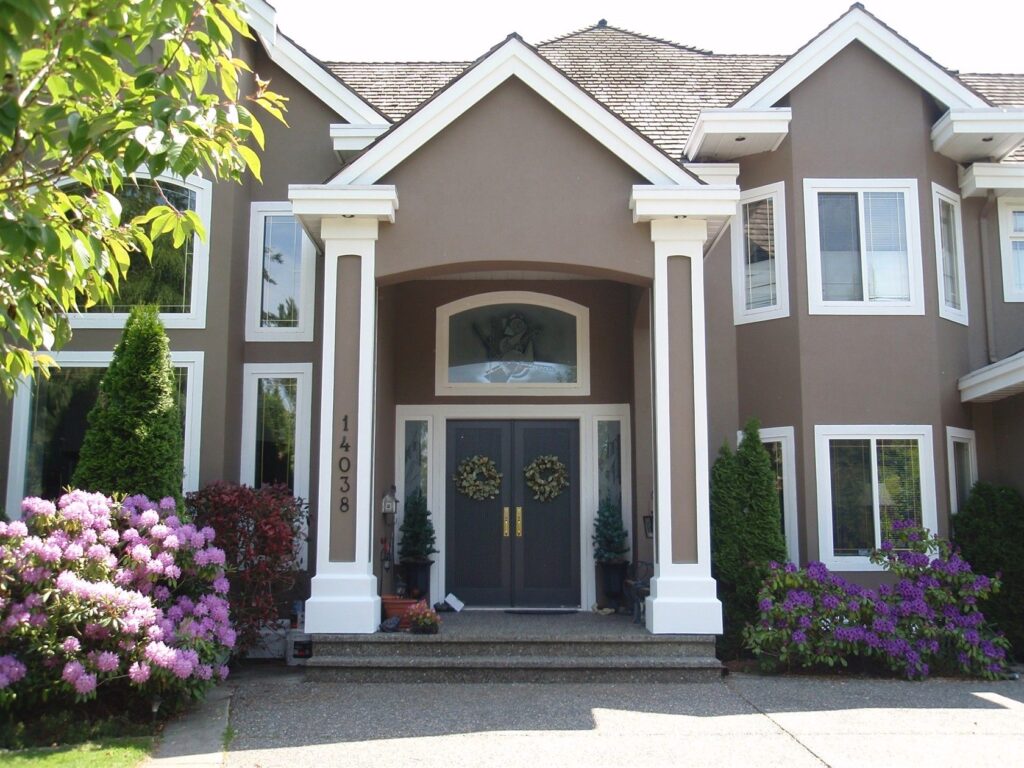
While many owners are concerned with insulation, windows, and HVAC upgrades, they neglect one of the most heavily used openings in the building envelope. This is costly because an exterior door can leak air, transfer heat, and compromise indoor comfort even when not visibly damaged.
For property managers, facilities staff, and building owners, the performance of exterior doors extends beyond utility bills. It also affects temperature stability, humidity control, indoor comfort near entryways, HVAC system runtime, and even the rate at which the interior environment recovers after doors are opened and closed. A properly selected and installed exterior door can make the building envelope function as it should. A poorly performing exterior door can quietly compromise every efficiency improvement surrounding it.
How Exterior Doors Influence Envelope Performance
- Doors Are Part Of The Envelope
Exterior doors are considered finish items, but they are actually active components of the thermal boundary. They are located at a pressure-sensitive point where indoor and outdoor conditions are constantly competing, particularly in houses with large seasonal temperature swings, high wind exposure, or high humidity. Even a small gap around the slab, frame, or threshold can result in measurable air leakage.
This is why contractors and building owners are increasingly talking about door upgrades in terms of performance, not just appearance. A good Exterior Door Company will usually assess fit, seal, material, and installation conditions simultaneously because energy efficiency losses come from the entire door assembly, not just the slab.
This is important in retrofit projects. Building owners can upgrade a door panel for aesthetic purposes while leaving an old frame, deteriorated weatherstripping, or an out-of-place threshold intact. The building looks upgraded, but it still leaks air and conducts heat in unexpected ways.
- Air Leakage Drives Hidden Energy Loss
The first efficiency consequence of an exterior door is air leakage. Leakage of conditioned air through door edges or thresholds causes the HVAC system to run longer to maintain the set temperature. During the heating mode, warm air inside leaks out, and cold air leaks in. During cooling mode, the reverse pressure and temperature difference can draw warm, humid air into the building, raising both sensible and latent loads.
This phenomenon is sometimes experienced before it is quantified. Building occupants may sense air leakage around the front entrance, a room that feels cooler than the thermostat indicates, or floors that remain uncomfortable during winter. In warmer climates, they may sense stickier air inside or uneven cooling around entryways. These problems are sometimes attributed to HVAC system performance, when in fact the door assembly is also at fault.
From the perspective of building operators, the problem is that air leakage adds up over time due to daily door operation, wind events, and seasonal pressure differences. The air leak may seem small at first, but over time, it can significantly impact efficiency and occupant complaints.
- Material Choice Changes Thermal Performance
The materials of the door affect how much heat can pass through it. Wood, steel, and fiberglass doors respond differently to sunlight, temperature changes, and moisture. The performance of the door depends not only on its surface but also on its core, edges, and insulation.
Steel doors can be good if they are insulated, but they can conduct heat easily if the product design is simple or the thermal breaks are minimal. Wood doors can be attractive and durable, but they can expand and contract, or require maintenance, depending on conditions. Fiberglass doors are preferred for their stability and insulation properties, especially in moisture-prone environments and during temperature changes.
The important thing for homeowners to note when considering a replacement door is that the door’s material should be appropriate for the climate. A door exposed to the sun, wind-driven rain, or heavy traffic requires a different performance dialogue than a side entry.
- Weatherstripping And Thresholds Do Heavy Work
Energy performance issues with exterior doors can arise from the smallest details. Weatherstripping, sweeps, and thresholds are designed to handle the repeated stresses of compression, friction, moisture, and usage. When these components fail, the door can still close and seem to be working properly while leaking badly.
One of the most common problems is the loss of compression in weatherstripping. Over time, the seal becomes flat and stops sealing properly. Another common problem is misalignment of the threshold caused by settling, fastener movement, or wear. Once the bottom seal is no longer in contact, air leakage increases, and the potential for water intrusion increases as well. These are not aesthetic problems; they directly affect building envelope performance.
Property managers are better off viewing door seals as maintenance issues rather than waiting for them to fail. Small seal and threshold adjustments are almost always less costly than the long-term cost of comfort-related issues, moisture damage, and increased HVAC usage.
- Installation Quality Shapes Real Results
A highly efficient door product may not perform as well if it is not installed properly. Inefficiencies may result from gaps in the framing, improper shimming, out-of-square installation, and poor sealing around the rough opening. Often, air infiltration occurs around the frame assembly, not the door panel itself.
Proper installation involves aligning the door to be plumb and square, maintaining consistent reveals, properly fastening and supporting the threshold, and using sealing techniques that account for drainage and weathering. If the frame moves or the opening is not properly prepared, the door may stick, fail to compress the seals evenly, or develop leaks shortly after installation.
This is why energy performance data must be viewed in conjunction with installation practice. Owners often compare products strictly on specifications and then expect performance to meet those numbers in all conditions.
Exterior Doors Influence Whole-Home Efficiency
Exterior doors are relevant to the energy efficiency performance of homes because they influence airflow, heat transfer, moisture management, and building operation in one way or another. They are not mere accessories of the building envelope. They are high-traffic transition points that can enhance or detract from the effectiveness of insulation, HVAC systems, and air-sealing measures across the entire property.
The lesson for property owners and managers is simple: assess exterior doors as operating elements, not purely as architectural elements. The choice of materials, glass options, weatherstripping, thresholds, and door installation all contribute to actual energy performance. When the entire door system is considered and maintained with performance in mind, the home will be easier to heat, easier to cool, and easier to manage.